
DEBUNKING THE
MYTHS
Questions about neonic use? Here are the answers. And if you’re still wondering…reach out!
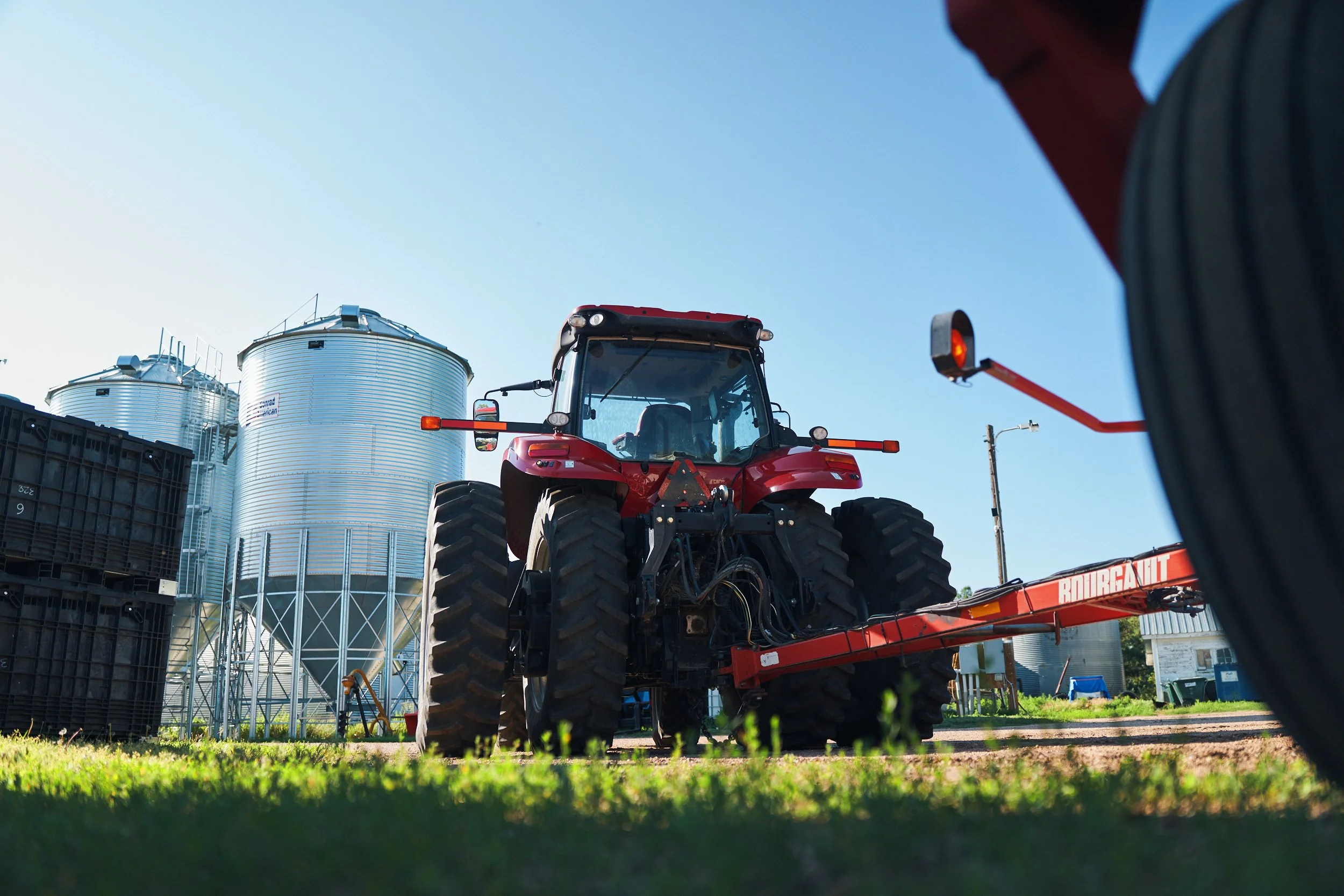

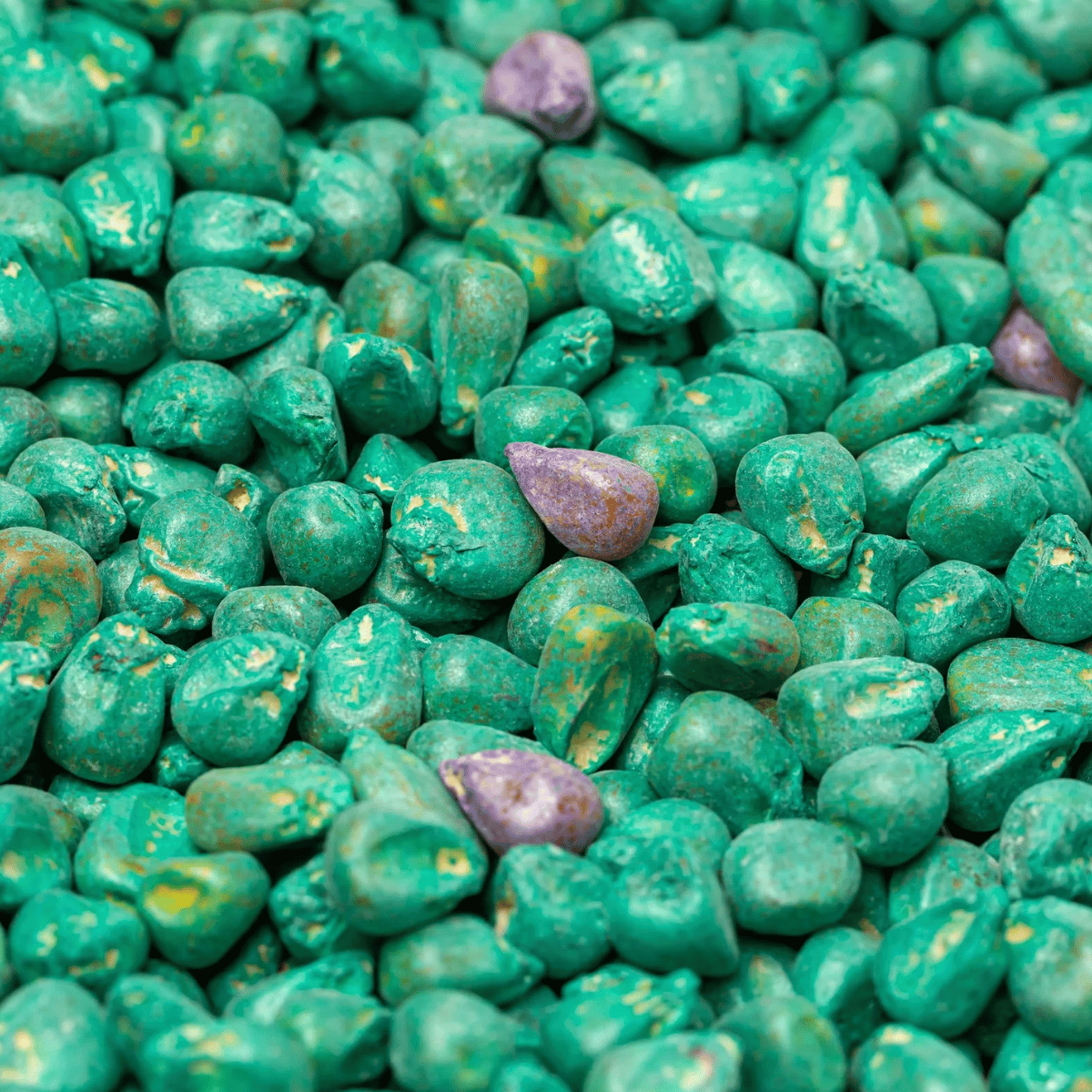
Why do farmers use neonic-treated seed?
Field crop seed often comes treated with neonics as the default, and farmers have few options to choose from. Treated seed is marketed as insurance for field crops, but it typically does more harm than good: not only do neonics kill pollinators and beneficial insects that boost yields and support soil health, they spread and persist in soil and water where they threaten ecosystems and public health.
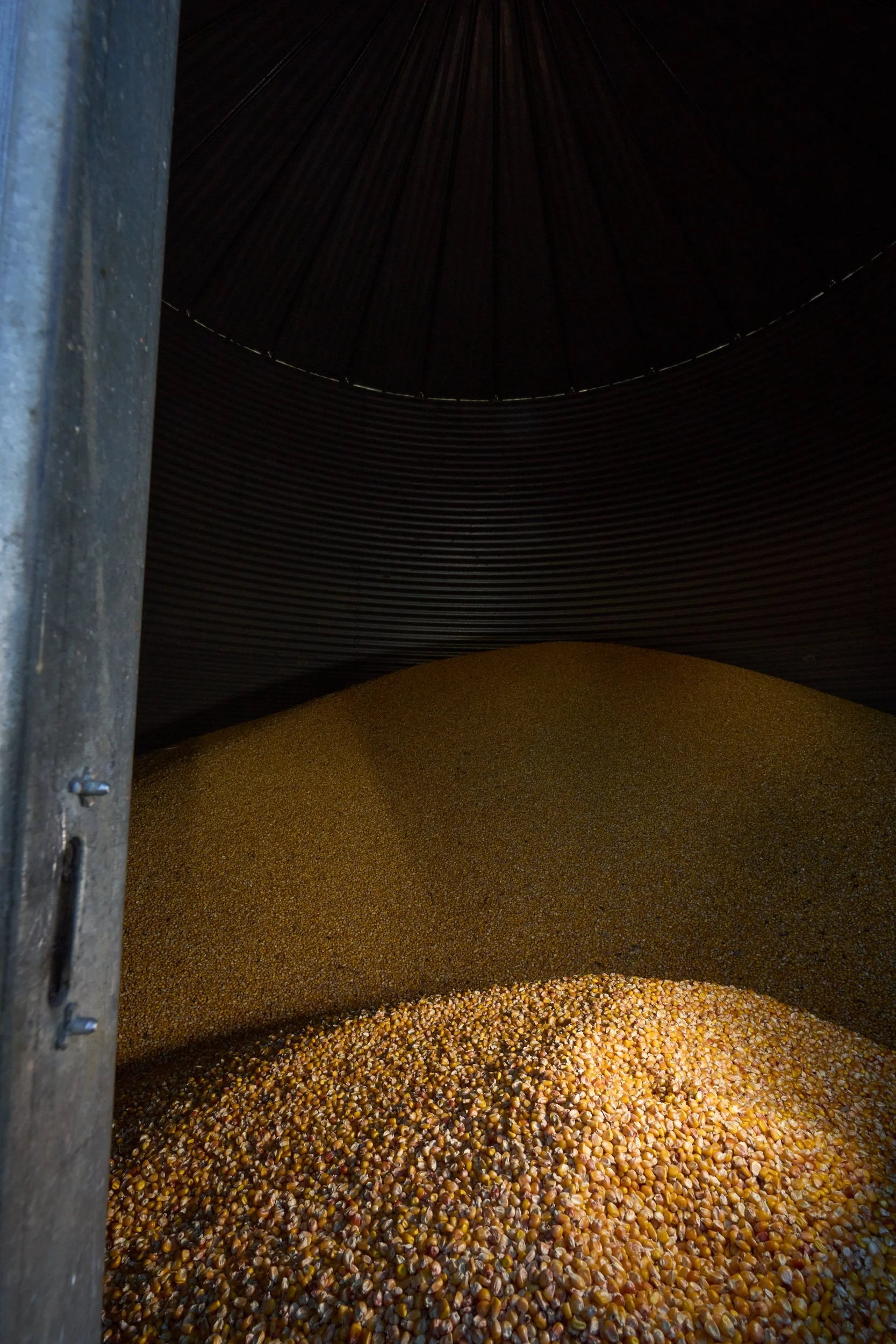
Is there enough seed without neonics?
There are Colorado farmers who currently grow field crops without treated seed. But for major crops like corn, they have to plan ahead and go out of their way to find it. And sometimes seed companies don’t deliver what they promised. A need-based use program would help transform Colorado’s field crop seed market, making seed without neonic treatments widely available. That’s what happened in Quebec after they adopted a need-based use program. And New York and Vermont already have need-based use laws set to take effect that should also drive more availability. Read more about how need-based use programs for neonics work.

Would a need-based use program for neonic-treated seed cost farmers more money?
Under a need-based use program, most farmers could simply stop using neonic-treated seed, at no extra cost, and even possible savings. If a farmer is considering neonic-treated seed, they would need to work with a third-party advisor to determine whether there is a pest problem that would be appropriately addressed with neonic-treated seed. The Colorado Department of Agriculture may be able to identify public, low-cost resources to help farmers with these assessments.

What are alternatives to neonics?
The Campaign for the Seed We Need targets unnecessary uses of neonics. Because neonic-treated field crop seed rarely targets demonstrated pest problems, farmers can simply switch to seed without neonic treatments—no substitute is necessary. If there is a demonstrated pest problem and a neonic seed treatment is the appropriate solution, a farmer could still use the treated seed. Most turf and landscaping uses are also unnecessary, and safer alternatives can manage pest issues in these places.